Most lifters either eat far too little protein or chase huge numbers that do nothing. The science settles the argument: a meta-analysis in the Journal of Cachexia, Sarcopenia and Muscle found muscle gains plateau at roughly 1.6 g of protein per kg of body weight per day, with no extra benefit above that. That single number replaces years of gym-floor myths.
This matters more in Pakistan than the protein-obsessed marketing suggests. Around 22.8% of Pakistani adults are overweight and 5.1% are obese, and a higher-protein, structured diet is one of the most reliable ways to change body composition without starving. The problem is that almost no local guidance translates the research into rupees, roti, and daal.
That gap creates real confusion. People do not know their own number, they do not know how to split it across desi meals, and they cannot tell whether dahi and chana actually count toward a serious target. This guide answers all of it with the research and the local food in one place.
The Research-Backed Daily Protein Number
For building muscle, aim for 1.6 g of protein per kg of body weight per day. The Journal of the International Society of Sports Nutrition places the useful range for resistance athletes at 1.2 to 2.0 g/kg/day, and notes that intakes above about 1.6 g/kg add no further strength benefit. So a 70 kg person targets around 112 g daily, and a 90 kg person targets around 144 g.
If you are in a calorie deficit (cutting) while training, push toward the upper end, closer to 1.8 to 2.0 g/kg, to protect muscle while you lose fat. The protein number is the one variable you should treat as non-negotiable.
Why More Protein Is Not Better
Once you pass roughly 1.6 g/kg, extra protein does not build extra muscle; it simply gets used for energy or stored. Eating 250 g of protein when your target is 130 g wastes money and crowds out the carbs that actually fuel your lifts. The smarter move is to hit your number consistently, not to maximize it.
How to Split Protein Across the Day
Muscle protein synthesis responds best to 25 to 40 g of protein per meal, spread across three to four meals. A 75 kg lifter aiming for 120 g might eat 30 g at breakfast, 40 g at lunch, 30 g at dinner, and 20 g in a snack. You do not need to obsess over timing, but spreading protein out beats stacking it all into one large dinner.
High-Protein Pakistani Foods That Hit the Target
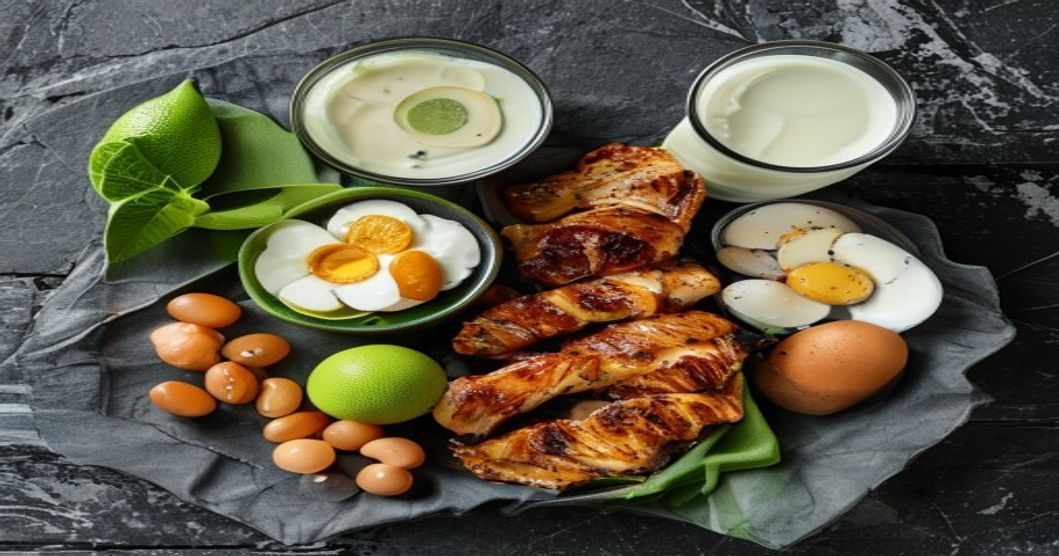
You can reach any protein target on local food alone. Useful anchors and their approximate protein content:
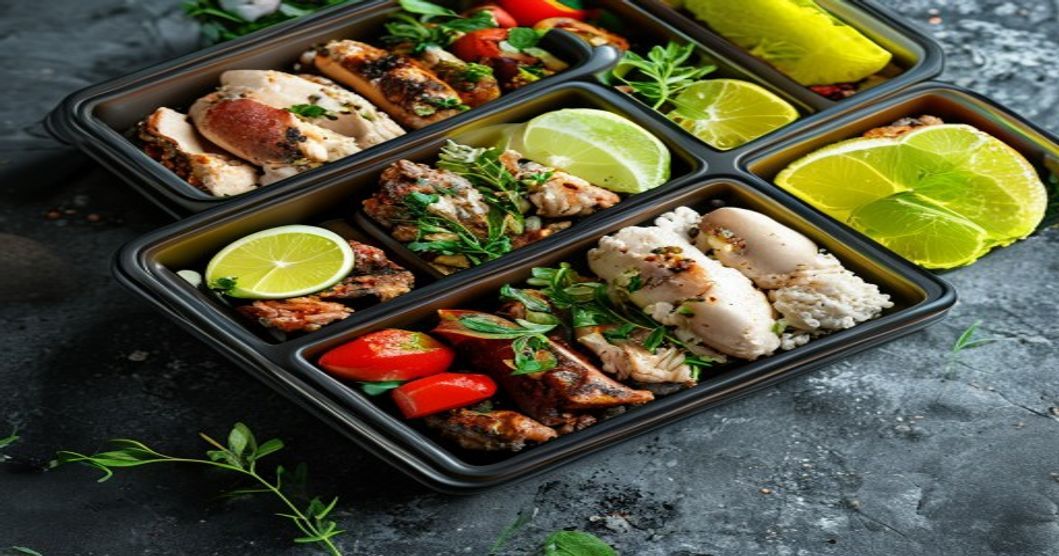
- Chicken breast: about 31 g per 100 g cooked, the most cost-effective animal protein.
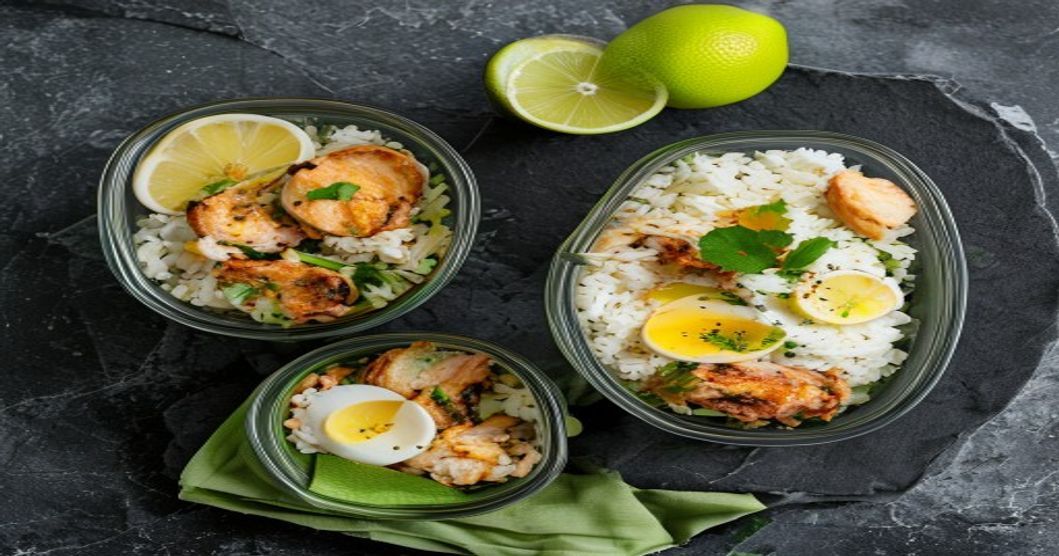
- Eggs: about 6 g each, cheap and fast.
- Beef: about 26 g per 100 g cooked, ideal for qeema and karahi.
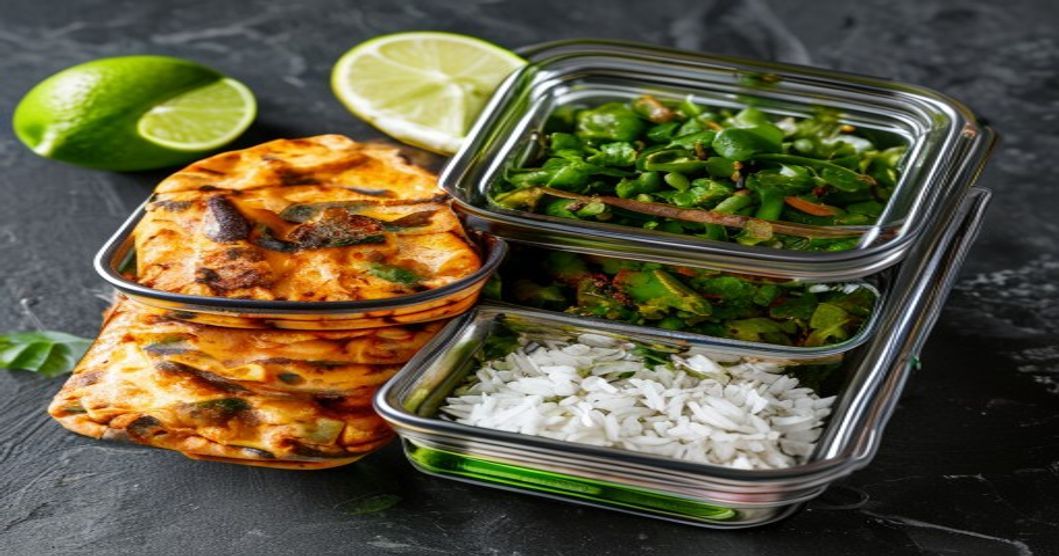
- Daal and chana: 8 to 9 g per cooked cup, plus fiber, at a fraction of meat’s cost.
- Dairy: Greek yogurt and dahi add 8 to 10 g per serving; a glass of milk adds about 8 g.
- Fish (rohu): about 20 g per 100 g, a lean rotation option.
Pair a meat or egg source with a daal or dairy side and most desi meals clear 30 g of protein without effort.
Do Vegetarians Need a Different Plan?
No, but they need to be deliberate. Daal, chana, paneer, dahi, milk, and eggs (if eaten) cover the target, though plant proteins are slightly less concentrated, so portions run larger. Combining lentils with rice or roti across the day rounds out the amino acid profile. A vegetarian gym-goer hitting 1.6 g/kg builds muscle just as well as a meat-eater.
Is a High-Protein Diet Safe?
For healthy people, yes. A one-year crossover study in resistance-trained men published via the National Library of Medicine found no harmful effects on blood lipids, kidney, or liver function from a high-protein diet. The usual cautions apply only to those with pre-existing kidney disease, and keeping fiber and water high prevents the constipation that sometimes comes with cutting carbs too hard.
Why Hitting Your Protein Target Is Harder Than It Looks
Knowing the number is easy; eating it every day is the real test. The first obstacle is measurement, because most people badly underestimate how little protein a roti-and-sabzi lunch contains. The second is consistency: skipping protein on busy days and trying to catch up at dinner does not work. The third is cost discipline, since chasing protein only through meat gets expensive fast. The fourth is convenience, because the easiest food near your office is rarely high in protein, which is how good intentions quietly collapse by mid-week.
How to Know Your Right Protein Target
Your number is personal and simple to set: multiply your body weight in kg by 1.6 for muscle gain, or by 1.8 to 2.0 if you are cutting while training hard. Then decide how you will actually hit it, because the plan only works if it survives a normal week. If you train consistently and cook for yourself, build your meals around two protein anchors each. If your schedule fights you, lean on pre-counted meals so the number is handled before hunger decides for you.
The lifters who grow are not the ones who eat the most protein; they are the ones who hit a sensible target every day for months. To see exactly how much protein sits in each meal, check the Gym Chef menu or read how our macro-counted plans work for Rawalpindi and Islamabad.
Frequently Asked Questions (FAQs)
How much protein do I need per day to build muscle?
Target about 1.6 g of protein per kg of body weight per day, which is where research shows muscle gains level off. A 70 kg person needs roughly 112 g and a 90 kg person needs about 144 g. If you are cutting, push slightly higher to protect muscle.
How much protein should I eat per meal?
Aim for 25 to 40 g of protein per meal across three to four meals. This range maximizes muscle protein synthesis and is easier to digest than one very large protein hit. A meat or egg source plus a daal or dairy side usually clears 30 g.
Can I build muscle with Pakistani vegetarian foods?
Yes. Daal, chana, paneer, dahi, milk, and eggs can hit any protein target, though plant portions run a little larger. Combining lentils with rice or roti across the day rounds out the amino acids and supports the same muscle growth as meat.
Is too much protein bad for you?
For healthy people, high protein is safe, and a one-year study in trained men found no harm to kidneys, liver, or blood lipids. The main caution applies to those with existing kidney disease. Eating well above your target simply wastes money rather than building extra muscle.
Do I need protein powder to build muscle?
No. Whole foods like chicken, eggs, daal, and dairy can cover your entire target. Protein powder is a convenient top-up on busy days, but it is optional and offers no special advantage over food.