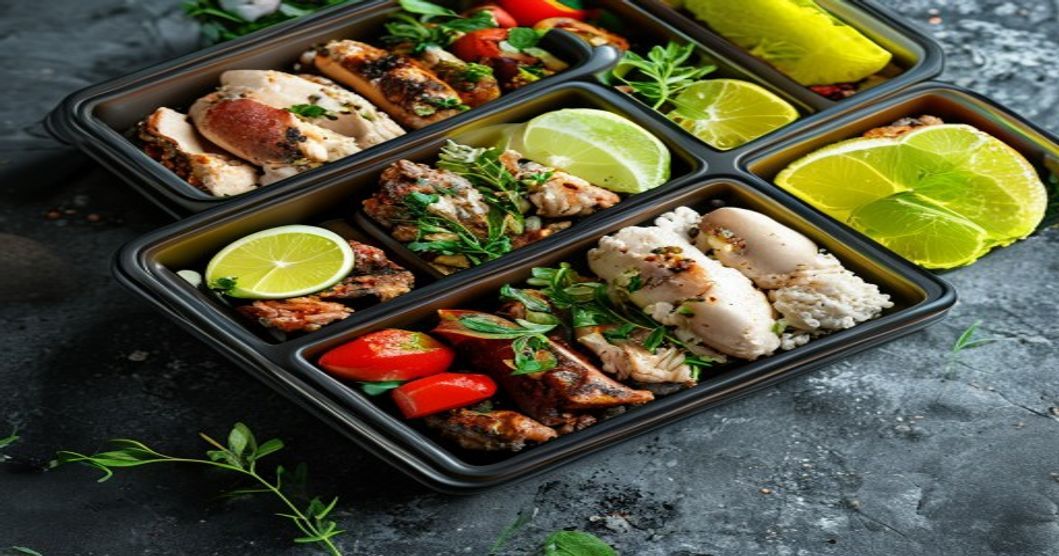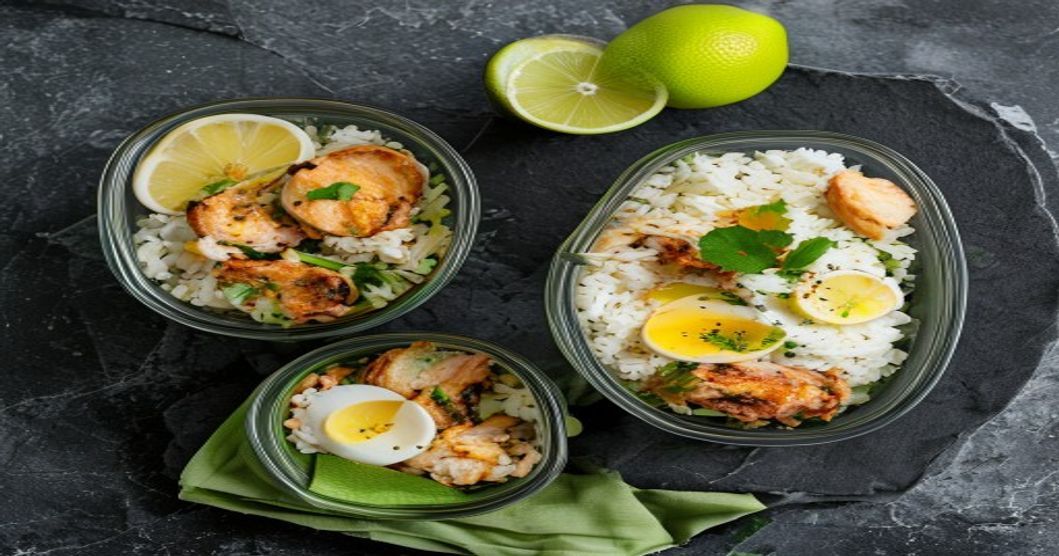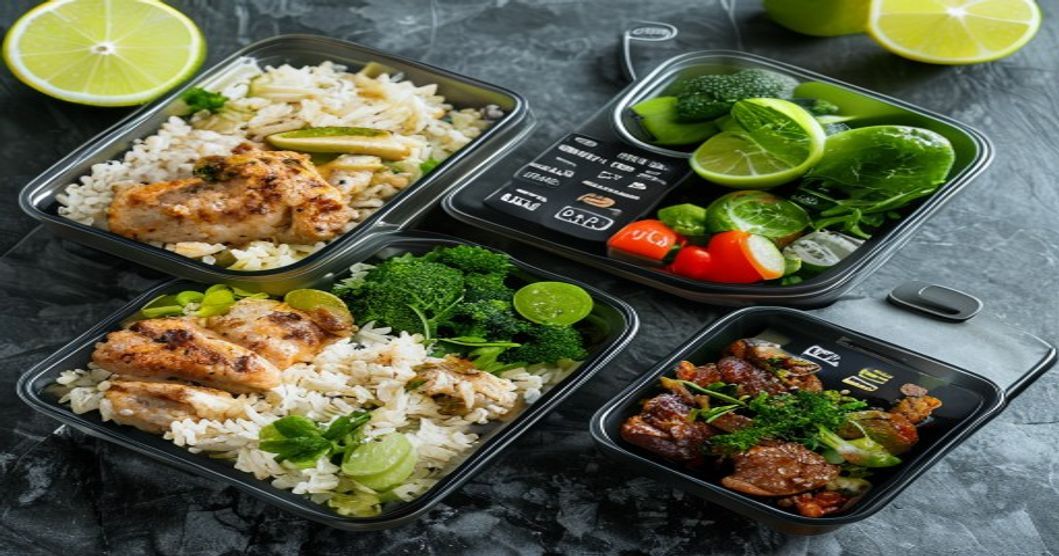
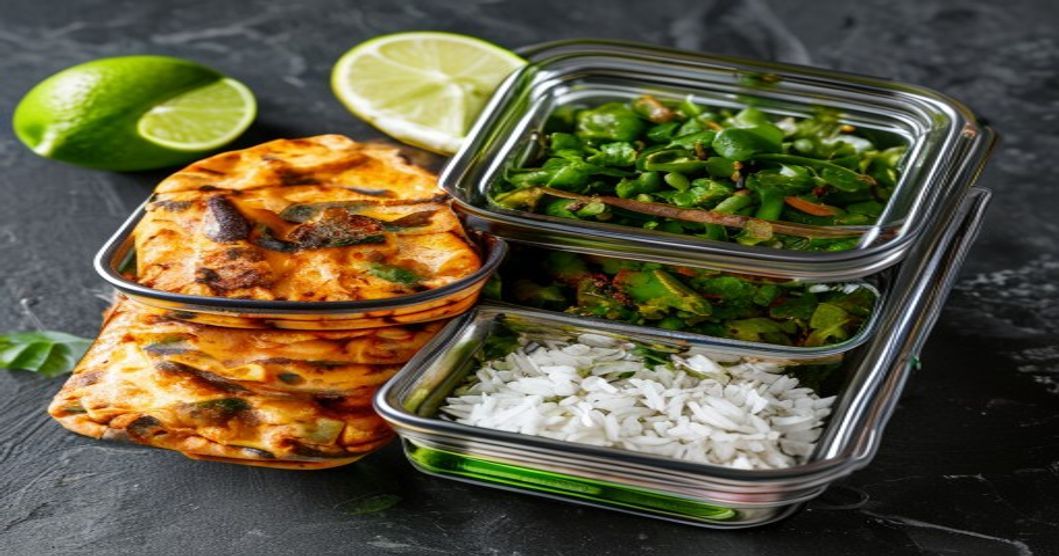
A tiffin service delivers cooked homestyle meals on a routine, usually curry, roti, rice, and a vegetable, priced for convenience rather than nutrition targets. Gym meal prep is different by design: portioned meals built to a protein and calorie number so each plate moves your training goal forward.
The distinction matters more as the twin cities lift harder. Protein needs are real and measurable, with research placing the effective ceiling for muscle gain at about 1.6 g/kg of body weight per day. Hitting that consistently is the whole game, and it is also where most food choices quietly fail. Meanwhile Pakistan’s online food delivery market is growing 10.29% through 2029, so both tiffins and macro meal prep are easier than ever to order.
Here is where it gets hard. A standard tiffin tastes like home but tells you nothing about its macros, the portions shift with whoever cooked that day, and the oil and carb load is built for comfort, not a cut. You can eat well and still stall, because feeling fed and hitting your numbers are not the same thing. Macro meal prep removes that guesswork, but it costs more and offers less variety. This comparison weighs both honestly.
Where Tiffins and Macro Meal Prep Both Struggle
Neither option is flawless, and the trade-offs shape the right pick for your goal.
Tiffins hide the numbers. Homestyle providers like Lunch.pk deliver genuine family cooking across Rawalpindi and Islamabad, but they publish no protein or calorie counts. If you are bulking or cutting, you are estimating every meal, and estimates drift.
Portions swing day to day. A tiffin’s chicken serving depends on the kitchen and the date. That variance wrecks a macro target that needs the same protein every single day.
Macro prep can feel repetitive and costs more. Precision meals tend toward grilled protein and measured carbs, which works for results but loses the variety of a rotating desi menu. You pay for that control.
Quick Comparison: Tiffin vs Macro Meal Prep
| Provider | Format | Macros Shown | Portion Control | Best For |
|---|---|---|---|---|
| Gym Chef | Macro-counted prep | Yes, per meal | Fixed and measured | Cutting and bulking |
| Generic Tiffin Service | Homestyle cooked | No | Varies by day | Everyday eating |
| Lunch.pk | Family-cooked tiffin | No | Varies by kitchen | Homestyle subscriptions |
| Protein Factor | High-protein prep | Claimed | Measured | High-protein cuts |
| Basil Pantry | Plan-based meals | No | BMI-adjusted | Full-day coverage |
Protein and macros
This is the deciding line. Gym meal prep states protein and calories per meal, so you know a plate lands you closer to that 1.6 g/kg target. A tiffin gives you a satisfying meal with an unknown protein figure, which often falls short for anyone training for size or strength.
Consider the math for an 80 kg lifter. Hitting 1.6 g/kg means around 128 g of protein every day, spread across meals. A typical desi tiffin of curry and roti supplies roughly 20 to 30 g per serving, leaving a large gap you have to close with eggs, whey, or extra chicken. A macro meal prep plate that prints 40 g of protein on the label closes that gap by design, and you spend zero mental effort confirming it.
Portion control and consistency
Macro prep keeps portions fixed, meal after meal, which is what a cut or bulk needs. Tiffin portions shift with the cook and the day, so the same subscription can over-feed you one week and under-feed you the next. Consistency, not a single perfect meal, drives the result.
That variance compounds over a training block. A cut runs on a steady calorie deficit, and a tiffin that swings 200 calories either way quietly erases the deficit on heavy-portion days. Fixed prep portions hold the line, which is why competitive athletes weigh food rather than eyeballing it. Macro meal prep applies the same discipline before the box reaches you.
Taste, variety, and cost
Tiffins win on variety and usually on price, rotating through desi favourites that never get boring. Macro prep trades some of that variety for control and tends to cost more per meal. Providers like Protein Factor and Basil Pantry sit on the prep side, while a service like Lunch.pk represents the homestyle tiffin model.
The honest middle ground is to match the food to the season of your training. Off-season or maintenance weeks tolerate a tiffin’s variety well, since precision matters less when you are not chasing a target. A focused cut or a lean bulk rewards the repetition of measured prep, because the body responds to the consistent input, not the menu.
Convenience for busy lifters
Both deliver to your door, but convenience means more when it protects adherence. Removing prep work raised results in one trial, where a ready-to-eat group lost about 4.8% of body weight at one month versus 1.8% for those choosing their own meals. Either option beats skipping meals or grabbing fast food after training.
How to Pick the Right Option for Your Training Goal
Match the food to the outcome you are chasing. If you have a specific cut or bulk target, macro-counted meal prep is the safer route, because fixed portions and visible protein numbers keep you on plan without daily math. The numbers do the discipline for you.
If your goal is simply to eat homemade food without cooking, and your physique is already where you want it, a tiffin service fits well and usually costs less. The risk is only when you expect a tiffin to deliver a precise macro result it was never built for. Plan a few of your weekly meals with the Gym Chef meal builder to see how fixed macros change the picture, then compare current pricing on the pricing page.
Frequently Asked Questions (FAQs)
What is the difference between a tiffin service and gym meal prep?
A tiffin service delivers homestyle cooked meals on a routine without listing macros, built for convenience and taste. Gym meal prep delivers portioned meals built to a protein and calorie target, so each meal supports a specific training goal like cutting or bulking.
Can I hit my macros with a regular tiffin service?
It is difficult, because tiffins rarely show protein or calorie counts and portions vary by day. You can supplement with extra protein, but you are estimating constantly. Macro-counted meal prep removes that guesswork by stating the numbers on each meal.
Is gym meal prep more expensive than a tiffin?
Usually yes, per meal. You pay for fixed portions, higher protein, and visible macros. A tiffin tends to cost less and offer more variety, so the right choice depends on whether you value price and taste or precision and results.
How much protein do I actually need to build muscle?
Research points to roughly 1.6 g per kilogram of body weight per day as the effective ceiling for muscle gain, with little added benefit beyond that. Macro meal prep makes hitting that figure consistent, which matters more than any single high-protein meal.
Which is better for weight loss, tiffin or meal prep?
Meal prep with controlled portions and known calories gives you tighter control for weight loss. Removing prep work also improves adherence, and one trial showed a ready-to-eat group lost more weight than people choosing their own meals. A tiffin can work if portions stay disciplined.