Building muscle is a kitchen problem before it is a gym problem. A large meta-analysis published in the Journal of Cachexia, Sarcopenia and Muscle found that protein intake of about 1.6 g per kg of body weight per day is the point where resistance-training muscle gains level off, so an 80 kg lifter needs roughly 128 g of protein daily. Hitting that number every single day, on a Pakistani schedule and a Pakistani budget, is where most beginners stall.
The market around you is growing fast. Pakistan’s gym and fitness equipment sector was valued at $2.1 billion in 2024, which means more people are training than ever, but very few have a food plan that matches the effort they put under the bar.
The real problems start the moment you commit. Chicken prices swing week to week, your hostel kitchen has one stove, work runs late and the only food near the office is a paratha roll, and you have no clear idea whether you ate 90 g of protein today or 140 g. Guesswork on macros stalls progress, and a Sunday that disappears into cooking kills your motivation by Wednesday. This guide fixes all of that with a repeatable system.
Step 1: Calculate Your Daily Protein and Calorie Target
- Set your protein number first. Multiply your body weight in kilograms by 1.6. A 70 kg person targets about 112 g of protein per day; a 90 kg person targets about 144 g. This is your anchor and it does not change day to day.
- Add a small calorie surplus. For lean muscle gain, eat 250 to 400 calories above maintenance. A practical maintenance estimate is body weight in kg multiplied by 30 to 33 for an active gym-goer, so an 80 kg lifter aims for roughly 2,650 to 2,850 calories.
- Split the rest between carbs and fat. Carbs fuel your lifts, so keep them generous: rice, roti, oats, and potatoes. Fat fills the gap and rounds out the calories.
Write these three numbers on your phone. Every meal you prep this week answers to them.
Step 2: Pick Your Pakistani Protein Anchors
- Chicken breast (boneless). The workhorse of local muscle building: about 31 g of protein per 100 g cooked, widely available, and cheaper per gram of protein than most options.
- Eggs. Roughly 6 g of protein each, cheap, and they cook in minutes. Two to four eggs per day is an easy base.
- Dairy. Greek yogurt, regular dahi, and milk add 8 to 10 g of protein per serving and double as snacks.
- Daal and chana. Lentils and chickpeas bring 8 to 9 g of protein per cooked cup plus fiber, and they cost a fraction of meat. They are how you keep the budget sane.
- Beef or fish twice a week. Rotate lean beef qeema or rohu to keep meals interesting and add variety to your amino acid intake.
Choose two anchors per meal so no single ingredient gets boring by Thursday.
Step 3: Build a Repeatable Weekly Menu
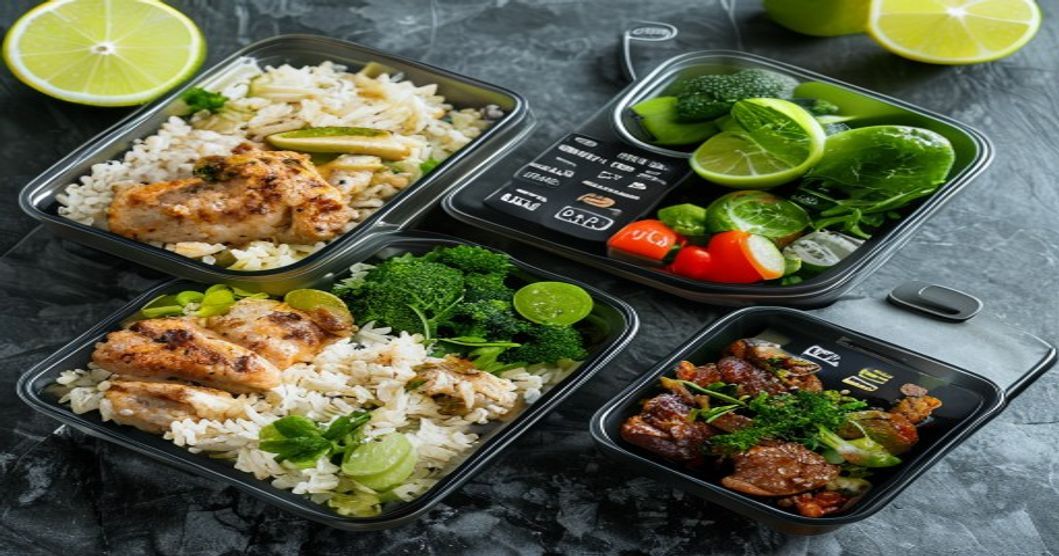
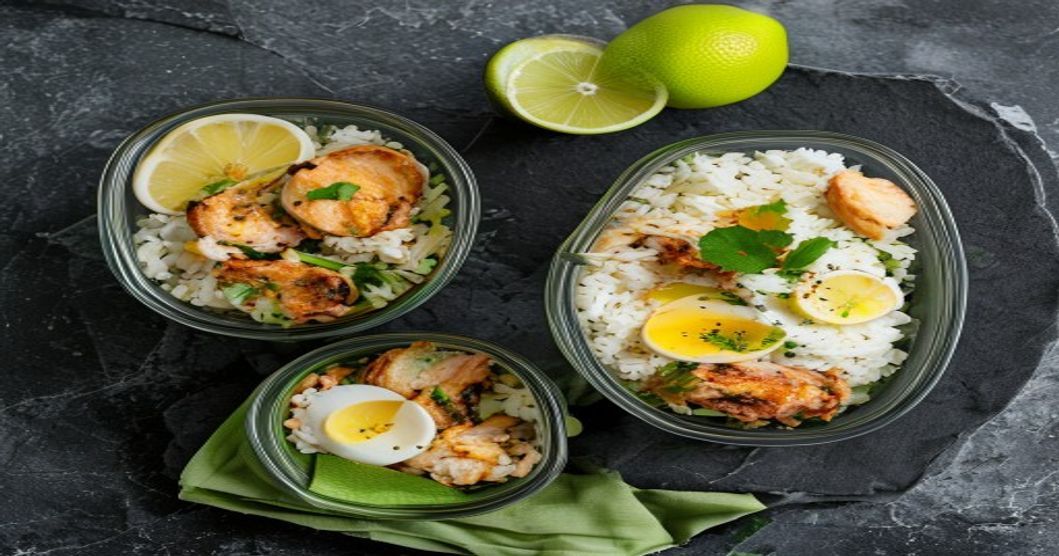
- Lock three meal templates. Example: chicken and rice with mixed sabzi, daal-chawal with two boiled eggs, and beef qeema with roti and yogurt. Repeat them across the week so prep stays simple.
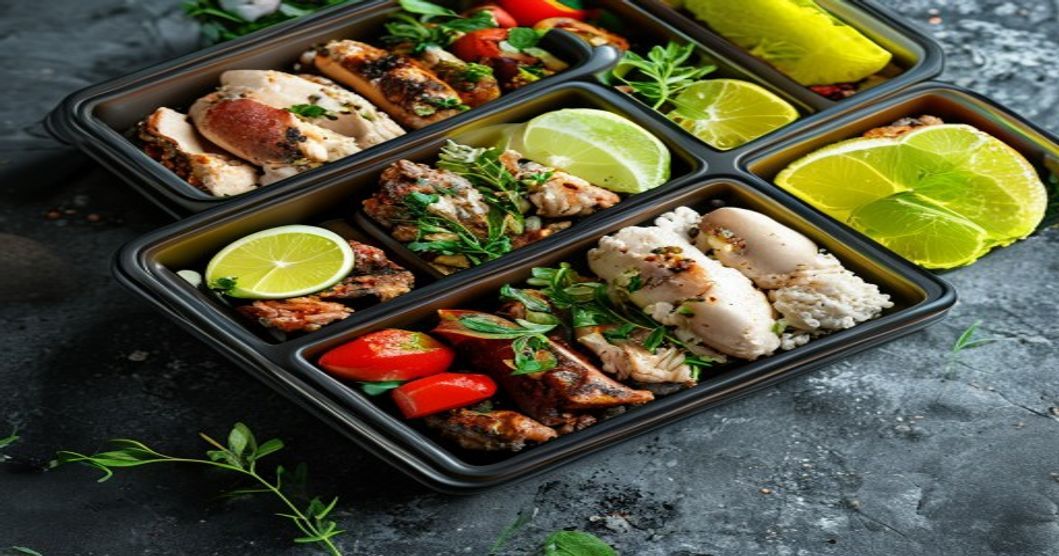
- Cook proteins in bulk. Grill or pan-cook 1.5 to 2 kg of chicken in one session, boil a dozen eggs, and simmer one large pot of daal. These three items carry most of your week.
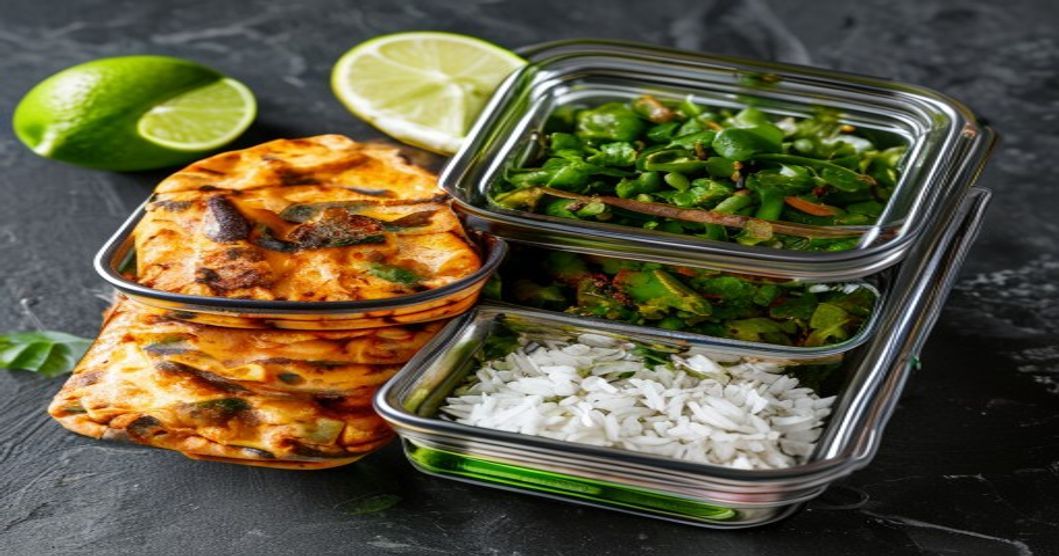
- Cook carbs fresh or in batches. Rice reheats well; rotis are best made daily or every two days. Boiled potatoes hold for three days.
- Portion into containers immediately. Divide cooked food into single-meal boxes while it is still warm so you are not measuring at 7 a.m.
Step 4: Prep, Portion, and Store the Right Way
- Pick one prep window. Sunday evening or two shorter sessions (Sunday and Wednesday) keep food fresh without eating your whole weekend.
- Cool food before sealing. Let cooked food reach room temperature before you close the lid; sealing hot food traps steam and spoils it faster.
- Refrigerate three days, freeze the rest. Keep the next three days’ meals in the fridge and freeze the remainder. Twin-cities load-shedding makes a reliable freezer worth the investment.
- Label with the cook date. A strip of tape with the date stops the guessing game and keeps you safe.
Step 5: Track for Two Weeks, Then Adjust
- Log everything for 14 days. Use any free macro app and weigh your portions once so you know what 200 g of cooked rice actually looks like.
- Weigh yourself weekly. A clean lean-gain pace is 0.25 to 0.5 kg per week. Faster usually means more fat.
- Adjust calories, not protein. If the scale is flat, add 150 to 200 calories from carbs. If you are gaining too fast, trim the same amount. Your 1.6 g/kg protein anchor stays fixed.
Challenges Beginners Face With Muscle-Gain Meal Prep
The first challenge is consistency under a busy schedule. Consistent logging beats any specific diet, yet one study found food-logging adherence drops from 68% in week one to 21% by week twelve. Pre-portioned meals remove the daily decision, which is the single biggest reason people quit.
The second challenge is cost. Meat is the most expensive part of the plan, so anchoring half your protein in eggs, daal, and dairy keeps weekly spend predictable. The third challenge is kitchen access: hostel and shared kitchens make bulk cooking hard, which is exactly where ready-made macro-counted meals close the gap. The fourth is taste fatigue, solved by rotating two anchors per meal and changing your spice base.
How to Turn This Plan Into Steady Muscle
Muscle gain comes down to three levers you now control: a fixed protein target, a small calorie surplus, and food that is ready before hunger makes the decision for you. Beginners who pre-portion meals hit their protein every day; those who improvise hit it maybe four days a week and wonder why the scale will not move. Decide which of the two you want to be, then build your week around the protein anchor that fits your budget and your kitchen.
If cooking 2 kg of chicken every Sunday is not realistic for your schedule or your stove, let a macro-counted kitchen handle the volume while you focus on training. Browse the Gym Chef menu to see high-protein meals built for Rawalpindi and Islamabad lifters, or use our meal-plan builder to match meals to your daily protein number.
Frequently Asked Questions (FAQs)
How much protein do I need to build muscle in Pakistan?
Aim for about 1.6 g of protein per kg of body weight per day, which is the level where research shows muscle gains plateau. For a 75 kg lifter that is roughly 120 g daily. Spread it across three to four meals using chicken, eggs, dairy, and daal.
Can I build muscle on a budget with Pakistani foods?
Yes. Eggs, daal, chana, and dahi deliver strong protein at a low cost per gram, so you can anchor half your daily protein in them and use chicken or beef for the rest. This keeps weekly grocery spend predictable while still hitting your target.
How many days of meals should I prep at once?
Prep three days of meals for the fridge and freeze the rest, or run two shorter sessions on Sunday and Wednesday. This keeps food fresh, fits around load-shedding, and avoids spending your entire weekend cooking.
Do I need supplements to gain muscle?
No. Whole foods like chicken, eggs, and dairy can cover your full protein target. A whey scoop is a convenient way to top up on busy days, but it is optional and not a requirement for beginners.
How long before I see muscle-gain results?
With a steady calorie surplus and consistent protein, most beginners see noticeable strength gains in four to six weeks and visible size changes in two to three months. Track your weight weekly and aim for 0.25 to 0.5 kg of gain per week for lean muscle.