Eating for the gym in Rawalpindi does not have to drain your wallet. Pakistan’s online food delivery market is projected to grow 10.29% between 2024 and 2029, which means more meal options than ever, but it also means it is easy to overspend on convenience you do not need. With a plan, you can hit your macros for far less.
The payoff for getting this right is real. A ready-to-eat meal group in one pilot trial lost 4.8% of body weight in a month versus 1.8% for those choosing their own food, because structured meals remove the daily guesswork. The trick is capturing that structure on a Rawalpindi budget instead of a Western one.
The obstacles are familiar. Chicken and beef prices climb without warning, a single late shift at work turns into an expensive takeaway, and buying random “healthy” groceries with no plan leaves food rotting in the fridge. This guide gives you a tight, repeatable system so your money goes to muscle, not waste.
Step 1: Set a Weekly Food Budget and a Protein Floor
- Pick a weekly number. Decide what you can spend on food for the week, whether that is Rs 3,000 or Rs 6,000, and treat it as a hard ceiling.
- Set a protein floor. Aim for at least 1.6 g of protein per kg of body weight per day. Protein is the one macro you do not cut to save money; you find cheaper sources instead.
- Allocate the budget by protein cost. Spend most of it on the cheapest protein per gram (eggs, daal, chicken) and the rest on carbs and vegetables.
Step 2: Build Your Plate Around Cheap Protein
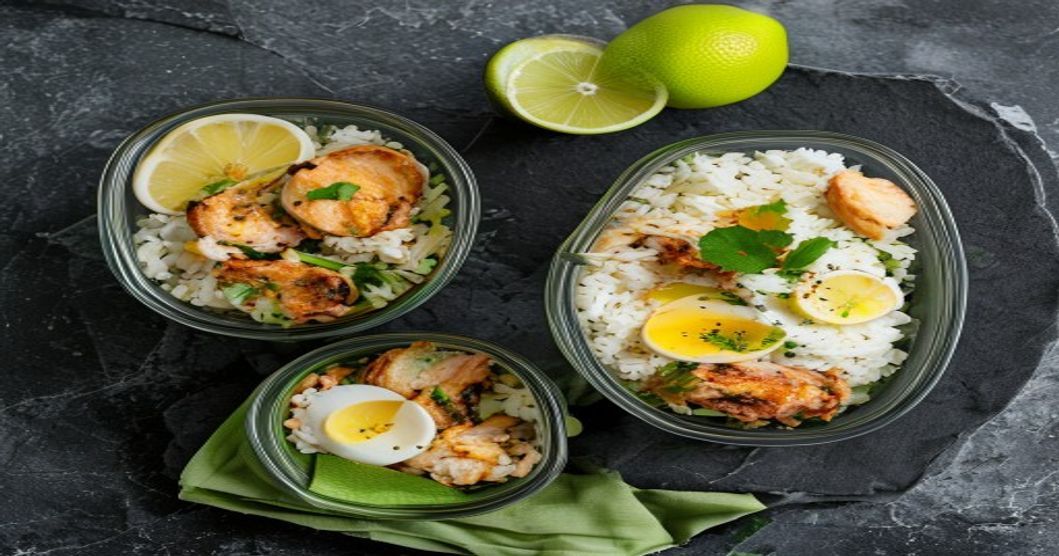
- Eggs first. At roughly 6 g of protein each, eggs are the cheapest reliable protein in the twin cities. Two to four a day form your base.
- Daal and chana next. Lentils and chickpeas bring 8 to 9 g of protein per cooked cup plus fiber, for a fraction of meat’s cost. Cook a big pot to span several days.
- Chicken as the main meat. Boneless chicken breast gives about 31 g of protein per 100 g and is cheaper per gram than beef or fish.
- Dairy for snacks. Dahi and milk add 8 to 10 g of protein cheaply and replace expensive packaged snacks.
Step 3: Shop Smart in Local Markets
- Buy protein in bulk. Purchase a full tray of eggs and 1.5 to 2 kg of chicken at once; per-unit prices drop and you cook less often.
- Choose seasonal vegetables. In-season sabzi from a local mandi costs less than supermarket produce and tastes better.
- Buy carbs as staples. Rice, atta, and potatoes bought in larger bags cost less per meal than any prepared option.
- Skip the “fitness” label tax. Plain oats, eggs, and chicken beat marked-up “protein” packaged snacks on both price and macros.
Step 4: Batch-Cook to Cut Cost and Time
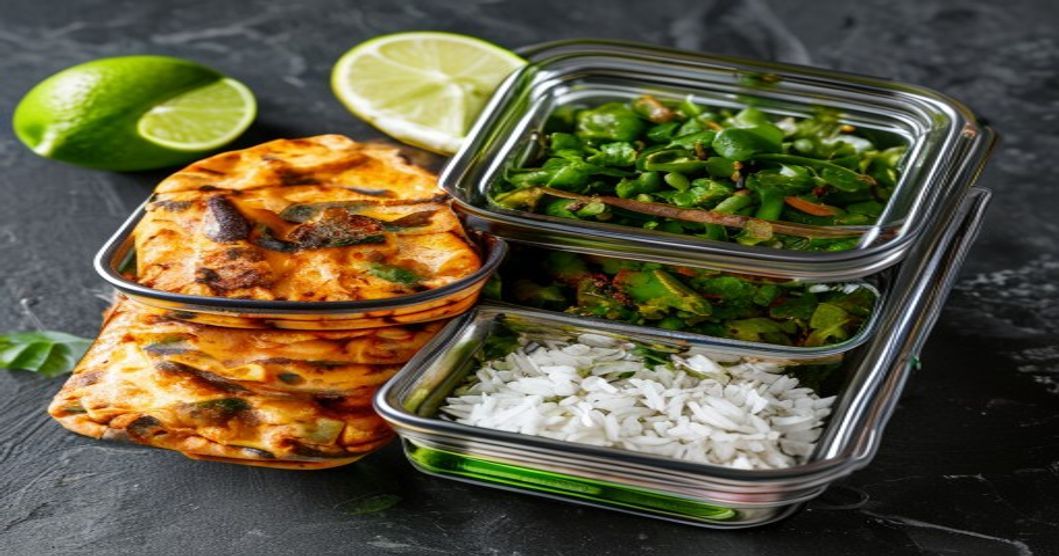
- Cook once, eat three days. One session of grilled chicken, a large pot of daal, and a batch of rice covers most of your week.
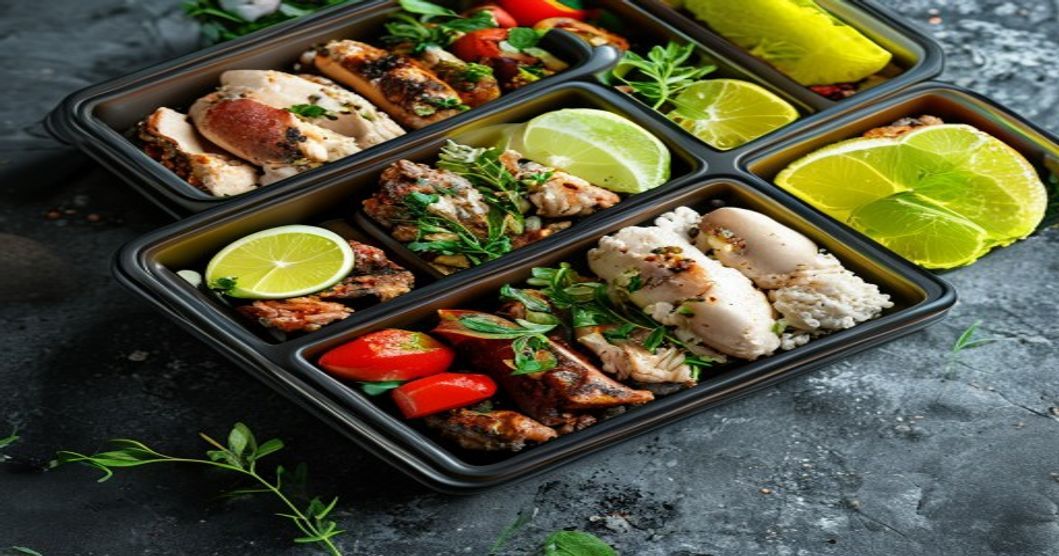
- Portion immediately. Divide food into single-meal boxes while warm so you are not tempted to order out when you are hungry.
- Freeze the surplus. Keep three days in the fridge and freeze the rest, which also protects food during load-shedding.
- Reuse spice bases. One onion-tomato masala can flavor chicken, daal, and qeema, cutting both cost and effort.
Cook-Yourself vs Delivery: The Real Cost Comparison
Cooking is cheapest per meal, but it costs you time and consistency. Delivery costs more per meal but removes the work and guarantees the macros. The table below compares the realistic trade-offs for a Rawalpindi gym-goer.
| Option | Cost Per Meal | Time Per Week | Macros Counted | Best For |
|---|---|---|---|---|
| Gym Chef (macro-counted delivery) | Transparent per-meal pricing | Near zero | Yes, shown per meal | Busy lifters who want macros handled |
| Cook yourself (bulk) | Lowest per meal | 4 to 6 hours | Only if you weigh and log | Tight budgets with kitchen access |
| Daily takeaway / restaurants | Highest per meal | None | No | Occasional meals only |
| Home-chef / tiffin service | Low to medium | Near zero | Rarely | Convenience without macro tracking |
Challenges of Budget Meal Prep in the Twin Cities
The first challenge is volatile protein prices, which is why anchoring half your protein in eggs and daal protects your budget when chicken jumps. The second is kitchen access: hostel and shared kitchens make bulk cooking hard, so the apparent savings of cooking shrink once you account for limited time and equipment. The third is food waste, because unplanned grocery runs leave produce rotting; a fixed weekly menu fixes that. The fourth is the convenience trap, where one tired evening becomes an expensive takeaway that wipes out a week of careful saving.
How to Decide What Fits Your Budget and Schedule
The cheapest option on paper is not always the cheapest in practice. Cooking in bulk wins on raw cost if you have a kitchen, the time, and the discipline to log your macros. But if your week is packed, the real comparison is not delivery versus free food; it is delivery versus the takeaway you will actually order when you are tired and hungry, and against that, a macro-counted meal often costs less and works better. Match the option to the resource you are shortest on: money, time, or consistency.
If your bottleneck is time rather than cash, a transparent per-meal plan keeps both your macros and your budget under control. Compare your options on the Gym Chef pricing page or browse the full menu to see exactly what each meal costs and contains in Rawalpindi and Islamabad.
Frequently Asked Questions (FAQs)
What is the cheapest way to meal prep for the gym in Rawalpindi?
Anchor your protein in eggs and daal, buy chicken and staples like rice in bulk, and batch-cook once for three days. Building plates around the cheapest protein per gram keeps weekly spend low while still hitting your protein target.
Is cooking yourself always cheaper than meal delivery?
On raw ingredients, yes, but only if you have kitchen access, time to cook, and the discipline to track macros. Once you factor in load-shedding, busy shifts, and the takeaway you order when too tired to cook, a transparent meal-delivery plan can work out cheaper in practice.
How much protein do I need on a budget?
Aim for about 1.6 g of protein per kg of body weight per day regardless of budget. You meet it cheaply by leaning on eggs, daal, chana, and dahi and using chicken as your main meat rather than pricier beef or fish.
How do I avoid wasting money on meal prep?
Set a fixed weekly menu and shopping list so you only buy what you will cook, portion meals immediately so you are not tempted to order out, and freeze any surplus. A plan is the single biggest defense against food waste and impulse takeaways.
Are tiffin services good for gym goals?
Tiffin services are convenient and often affordable, but most do not count macros, so portions and protein vary. They suit general eating; for muscle gain or cutting, choose a service that shows protein and calories per meal.